
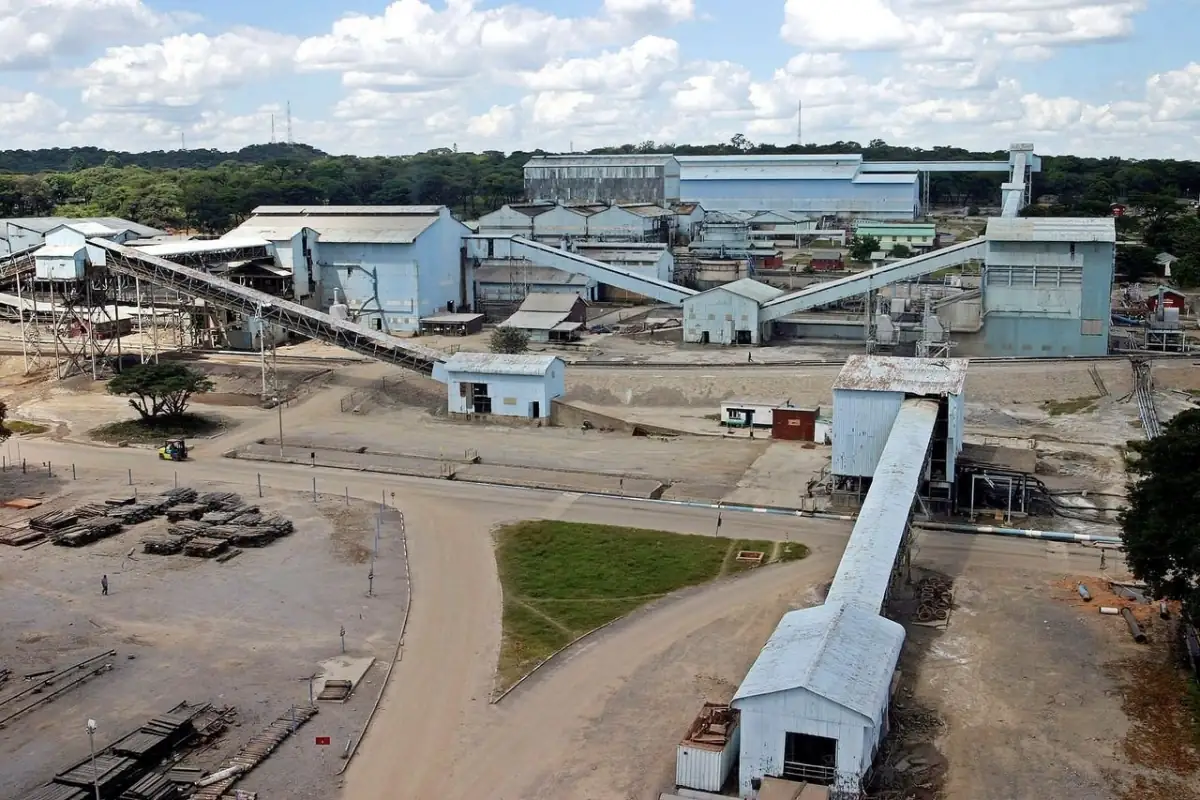
As global copper demand continues to rise due to rapid growth in renewable energy, electric vehicles, and infrastructure construction, mining companies are under increasing pressure to improve both production efficiency and environmental management. In many copper mining regions across Africa, traditional tailings ponds are gradually becoming a major operational challenge because of land occupation, high water retention, and potential safety risks.
To address these issues, a copper mine in Zambia implemented a modern tailings dewatering and dry stacking solution using two large-scale double-motor belt filter presses. The project successfully reduced tailings moisture content, minimized tailings pond dependence, and improved overall environmental safety while maintaining stable large-capacity operation.
Project Background
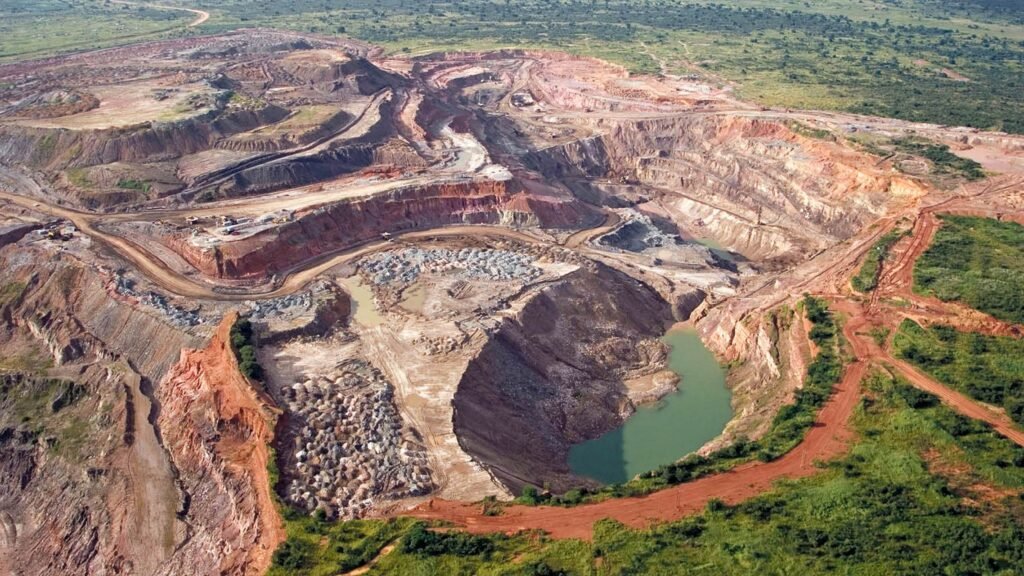
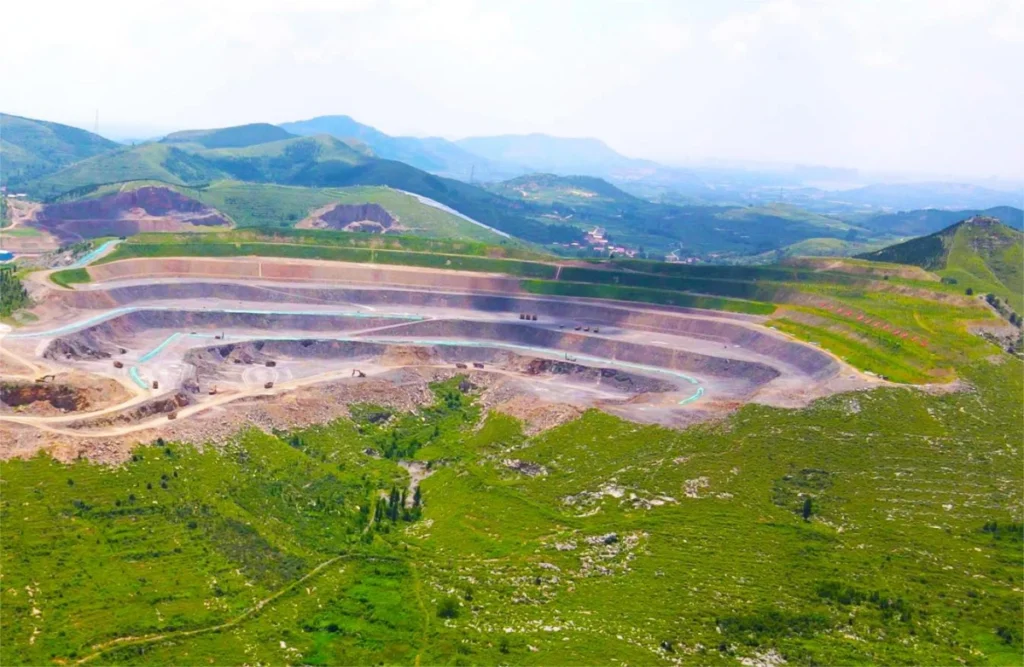
The customer is a medium-to-large copper mining enterprise located in Zambia, one of Africa’s most important copper-producing countries. The mine had been using a conventional tailings pond storage method for many years. However, as production capacity increased, the existing tailings pond gradually approached its storage limit.
Several critical problems emerged:
- The tailings pond occupied a large land area
- The reservoir level continued to rise annually
- High water content increased dam pressure
- Long-term environmental and safety risks became more significant
- Local environmental regulations became increasingly strict
In addition, the mine faced high water recycling pressure due to seasonal drought conditions common in some regions of Zambia. The company therefore decided to upgrade its tailings management system and move toward a dry stacking solution.
After technical evaluation and equipment comparison, the customer selected a high-capacity belt filter press system specifically designed for copper tailings dewatering applications.
Tailings Characteristics
Copper tailings generally contain fine particles, residual flotation reagents, and acidic components that place high demands on filtration equipment durability and corrosion resistance.
The tailings slurry at this project featured the following characteristics:
| Item | Description |
|---|---|
| Material Type | Copper Tailings |
| Slurry Concentration | Medium to High |
| Particle Size | Fine Particles |
| Chemical Property | Weakly Acidic |
| Processing Requirement | Dry Stacking |
| Target Moisture | ≤25% |
Because of the acidic environment and continuous high-load operation, the customer required equipment with excellent wear resistance, corrosion resistance, and long-term operational stability.
Customized Dewatering Solution
Based on the site conditions and production requirements, a customized tailings dewatering system was designed for the project.
The solution included:
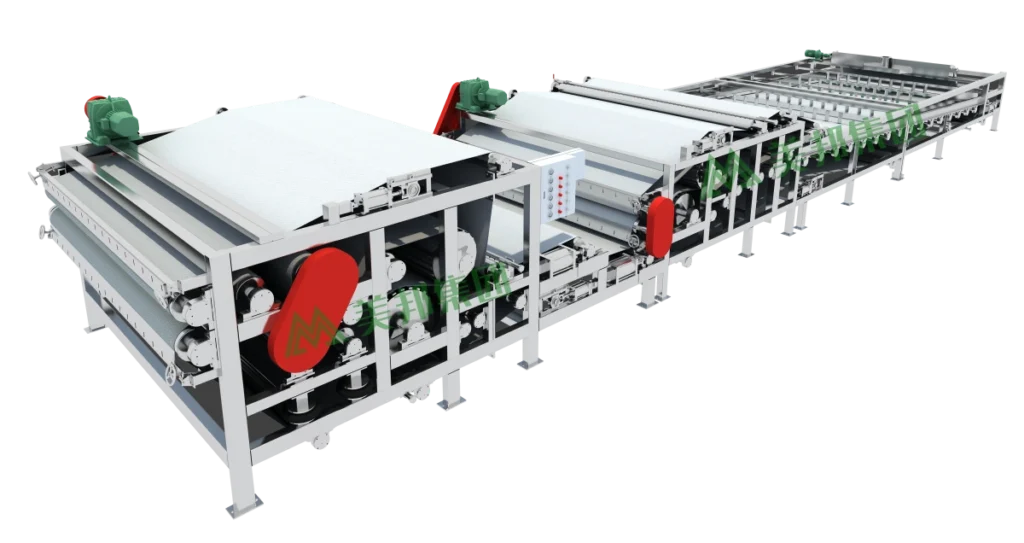
- Two large double-motor belt filter presses
- Belt width of 3 meters
- Equipment length of 18 meters
- High-strength wear-resistant filter belts
- Acid-resistant and high-temperature-resistant materials
- Automatic belt correction and tensioning system
- Continuous large-capacity operation capability
Compared with conventional filter press systems, the belt filter press offered several important advantages for this copper tailings project:
- Continuous operation without interruption
- Lower energy consumption
- Reduced labor requirements
- Easier maintenance
- Stable moisture control
- Higher processing efficiency for large slurry volumes
The double-motor design also improved equipment stability and ensured balanced power transmission during heavy-duty operation.
Large Processing Capacity for Mining Operations
Mining tailings treatment systems must operate continuously for long periods under demanding conditions. Therefore, processing capacity was one of the key considerations in this project.
Each belt filter press achieved a processing capacity of up to 50 tons per hour, allowing the entire system to handle approximately 100 tons of tailings slurry per hour during stable operation.
This large-capacity design significantly reduced the burden on the original tailings pond system and provided the mine with sufficient future expansion capability.
The continuous dewatering process also minimized slurry accumulation on-site and improved overall operational efficiency.
Advanced Filter Belt Design
One of the most important components of a belt filter press is the filter belt itself. Copper tailings often contain abrasive particles and corrosive chemicals that can rapidly damage low-quality filtration materials.
For this project, high-strength wear-resistant filter belts were selected to ensure long service life under severe mining conditions.
The filter belts featured:
- Excellent tensile strength
- Superior abrasion resistance
- Acid resistance
- High-temperature resistance
- Stable permeability
- Long operational lifespan
These characteristics greatly reduced maintenance frequency and replacement costs while improving overall system reliability.
Moisture Reduction Achieved
The primary objective of the project was to achieve tailings dry stacking conditions and reduce environmental risks associated with wet tailings storage.
After commissioning and optimization, the system successfully reduced the final moisture content of the tailings cake to approximately 25%.
This result fully satisfied the customer’s dry stacking requirements.
Lower moisture content provided several important operational benefits:
- Reduced tailings volume
- Improved stack stability
- Easier transportation and handling
- Lower seepage risk
- Reduced environmental impact
- Improved water recovery rate
The dewatered tailings could now be transported directly for dry stacking instead of being discharged into large-scale wet tailings ponds.
Environmental and Safety Improvements
Before the installation of the dewatering system, the original tailings pond occupied a large area and maintained a high storage level for extended periods.
As mining output increased, the customer became increasingly concerned about:
- Tailings dam stability
- Long-term environmental management
- Water pollution risks
- Land occupation
- Regulatory compliance
The implementation of the dry stacking system significantly improved site safety and environmental performance.
Key improvements included:
Reduced Tailings Pond Pressure
By removing a large amount of water from the slurry before disposal, the total liquid volume entering the tailings pond was dramatically reduced.
This lowered hydraulic pressure on the tailings dam and improved long-term operational safety.
Smaller Environmental Footprint
Dry stacking reduced dependence on large wet storage areas, helping the mine reduce land occupation and improve environmental sustainability.
Improved Water Recycling
The dewatering process allowed more process water to be recovered and reused within the mining operation.
This was especially important in regions where industrial water resources are limited.
Better Regulatory Compliance
As environmental standards continue to tighten globally, dry stacking technology has become an increasingly important trend in modern mining operations.
The project helped the customer align with future environmental management requirements and sustainable mining practices.
Stable Operation Under Harsh Conditions
Mining environments are often harsh, with high temperatures, dust, corrosion, and continuous heavy-duty workloads.
The equipment used in this Zambia project was specifically engineered for large-scale mining applications and demonstrated excellent operational stability after installation.
The system maintained:
- Stable filtration performance
- Continuous operation capability
- Low failure rate
- Consistent moisture reduction
- Low maintenance requirements
The customer also reported improved operational efficiency compared with previous tailings management methods.
Why Belt Filter Presses Are Suitable for Copper Tailings
Compared with conventional plate and frame filter presses, belt filter presses provide several unique advantages for large mining projects.
For copper tailings applications, key advantages include:
| Advantage | Benefit |
|---|---|
| Continuous Operation | Suitable for large slurry volumes |
| Lower Energy Consumption | Reduced operating cost |
| Lower Labor Requirement | Easier operation |
| Large Processing Capacity | Ideal for mining projects |
| Stable Moisture Control | Supports dry stacking |
| Easier Maintenance | Reduced downtime |
For mines requiring long-term continuous tailings treatment, belt filter presses often provide a more cost-effective solution.
Future of Tailings Dry Stacking in Africa
As mining production continues to expand across Africa, more mining companies are beginning to adopt dry stacking technologies to improve environmental safety and resource efficiency.
Countries such as Zambia, Congo, South Africa, and Namibia are increasingly focusing on sustainable mining development and modern tailings management systems.
Tailings dewatering technology is expected to play a critical role in:
- Reducing tailings dam risks
- Improving water recovery
- Lowering environmental impact
- Supporting ESG goals
- Reducing long-term operational costs
This Zambia copper tailings project demonstrates how modern belt filter press technology can help mining companies transition toward safer and more sustainable tailings disposal methods.
Conclusion
The Zambia copper tailings dewatering project successfully transformed a traditional wet tailings management system into an efficient dry stacking solution.
By installing two large double-motor belt filter presses with 3-meter-wide high-strength filter belts, the mine achieved:
- Up to 50 tons/hour processing capacity per unit
- Final moisture content of approximately 25%
- Improved environmental safety
- Reduced tailings pond pressure
- Enhanced water recycling
- Lower long-term operational risks
The project not only improved production efficiency but also provided a safer and more sustainable solution for future mining development.
As global mining standards continue to evolve, advanced tailings dewatering technologies will become increasingly important for copper mining operations worldwide.